Can Social Calorie Tracking Help Build Sustainable Eating Habits?
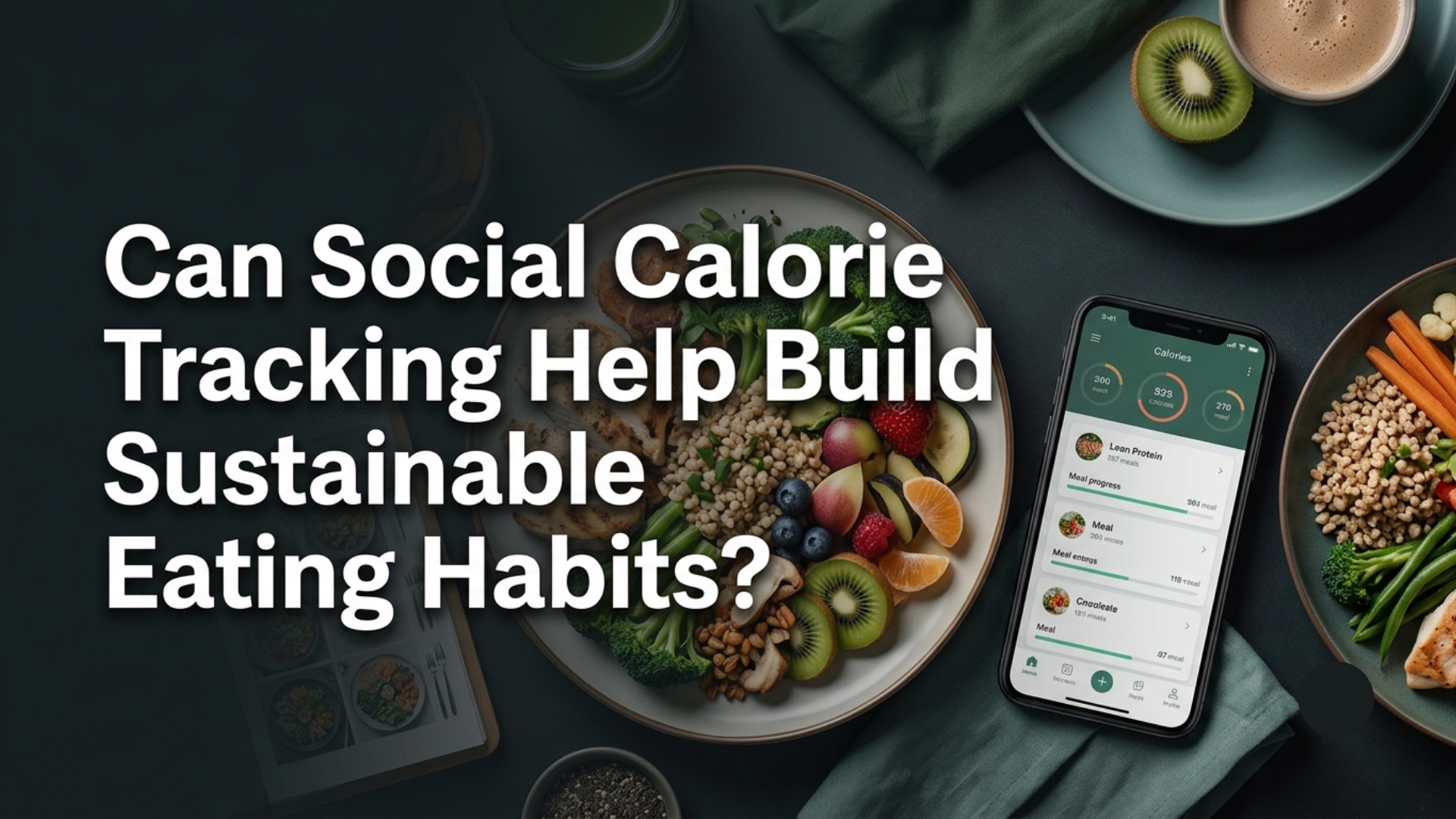
Building healthier eating habits is rarely about making perfect choices every day. It is more often about creating routines that feel practical enough to maintain through busy schedules, changing preferences, and everyday challenges. While nutrition tracking can help people understand what they eat, doing it alone may sometimes become repetitive or difficult to sustain. A more connected approach can make the process feel engaging while encouraging people to learn from everyday experiences. This is where ***[social calorie tracking](https://calorietrackerbuddy.com/blog/how-to-use-social-calorie-tracking-to-lose-weight-faster/)*** can provide a different perspective by combining food awareness with communication, shared experiences, and supportive accountability.
Turning Food Awareness Into a Daily Habit
Sustainable eating begins with awareness because people need to understand their regular choices before they can make meaningful adjustments. Recording meals can reveal patterns that may otherwise go unnoticed, such as skipping breakfast, relying heavily on convenience foods, or eating irregularly throughout the day. Once these patterns become visible, individuals can consider realistic changes instead of attempting an extreme diet overnight. This gradual approach can make healthy eating feel less restrictive and more achievable.
Consistency also becomes easier when tracking fits naturally into an existing routine. For example, recording a meal shortly after eating can become as ordinary as checking a daily schedule. Over time, this repeated action can encourage greater attention to portion sizes, meal composition, and overall nutritional balance. The goal is not to create anxiety around food but to develop a clearer understanding of personal eating patterns.
Why Social Support Can Encourage Consistency
Healthy habits become easier to maintain when people feel supported rather than alone. Sharing meal ideas, discussing ***[healthy food](https://calorietrackerbuddy.com/blog/healthy-eating-benefits/)*** choices, and seeing others make steady progress can provide motivation, encouragement, and practical inspiration for everyday wellness.
However, social involvement works best when it focuses on encouragement rather than competition. Every person has different nutritional needs, activity levels, schedules, and preferences. Comparing calorie numbers or progress too closely can create unnecessary pressure and may distract from individual goals. A positive environment instead encourages people to exchange experiences while respecting personal differences.
Making Healthier Choices More Practical
Sustainable nutrition becomes easier when meals are convenient and practical. Busy schedules can make healthy choices challenging, but shared ideas can offer simple solutions, such as quick breakfasts, high-protein lunches, easy vegetable options, and better ways to maintain ***[protein intake](https://medium.com/@Nutritracker/what-happens-when-your-protein-intake-is-too-low-7fc45123d3a8)*** throughout the day.
This exchange of ideas can make healthy eating feel more realistic because suggestions come from everyday situations rather than unrealistic expectations. Small adjustments can then build upon one another. Replacing one heavily processed snack, preparing an extra serving of vegetables, or planning tomorrow's lunch in advance may seem minor individually, but repeated actions can gradually shape stronger habits.
Building Long-Term Motivation
Motivation naturally changes over time, which is why sustainable habits should not depend entirely on short-term enthusiasm. A supportive tracking environment can provide gentle reminders of progress and help people recognize improvements that might otherwise go unnoticed. Celebrating consistency, better meal planning, and increased food awareness can make progress feel meaningful even when dramatic changes are not immediately visible.
It is also important to allow flexibility. Missing a day of tracking or enjoying an occasional indulgent meal does not erase previous progress. Sustainable eating requires room for real life, because overly rigid rules can become difficult to maintain. Returning to normal routines after an interruption is often more valuable than trying to compensate with extreme restrictions.
To Know More Click on - ***[New Meal Logging Features in Calorie Tracker Buddy | Menu Scanner, Voice Search & More! ](https://youtu.be/-_bRoKjQVHI?si=-J3dhDDlH2lLAHeb)***
Summary
Ultimately, ***[social calorie tracking](https://calorietrackerbuddy.com/blog/how-to-use-social-calorie-tracking-to-lose-weight-faster/)*** can support sustainable eating habits when it is used as a tool for awareness, connection, and practical encouragement rather than judgment. The strongest results come from focusing on gradual improvements that fit an individual's lifestyle. Sharing experiences can provide fresh ideas, while consistent awareness can help people understand their own choices more clearly. When flexibility, personal goals, and supportive communication remain at the center, nutrition tracking can become part of a balanced lifestyle instead of a temporary challenge.
FAQs
1. Can tracking food help improve eating habits?
Yes. Recording meals can help people recognize eating patterns and identify areas where small, realistic changes may be useful.
2. Why is social support helpful for healthy eating?
Support can provide encouragement, practical meal ideas, and accountability while helping people stay motivated during challenging periods.
3. Should healthy eating involve strict calorie limits?
Not necessarily. Individual nutritional needs vary, and sustainable eating generally benefits from balanced choices, flexibility, and a focus on overall dietary quality.