# AI Sales Dialer Strategies for Improving Sales Team Productivity
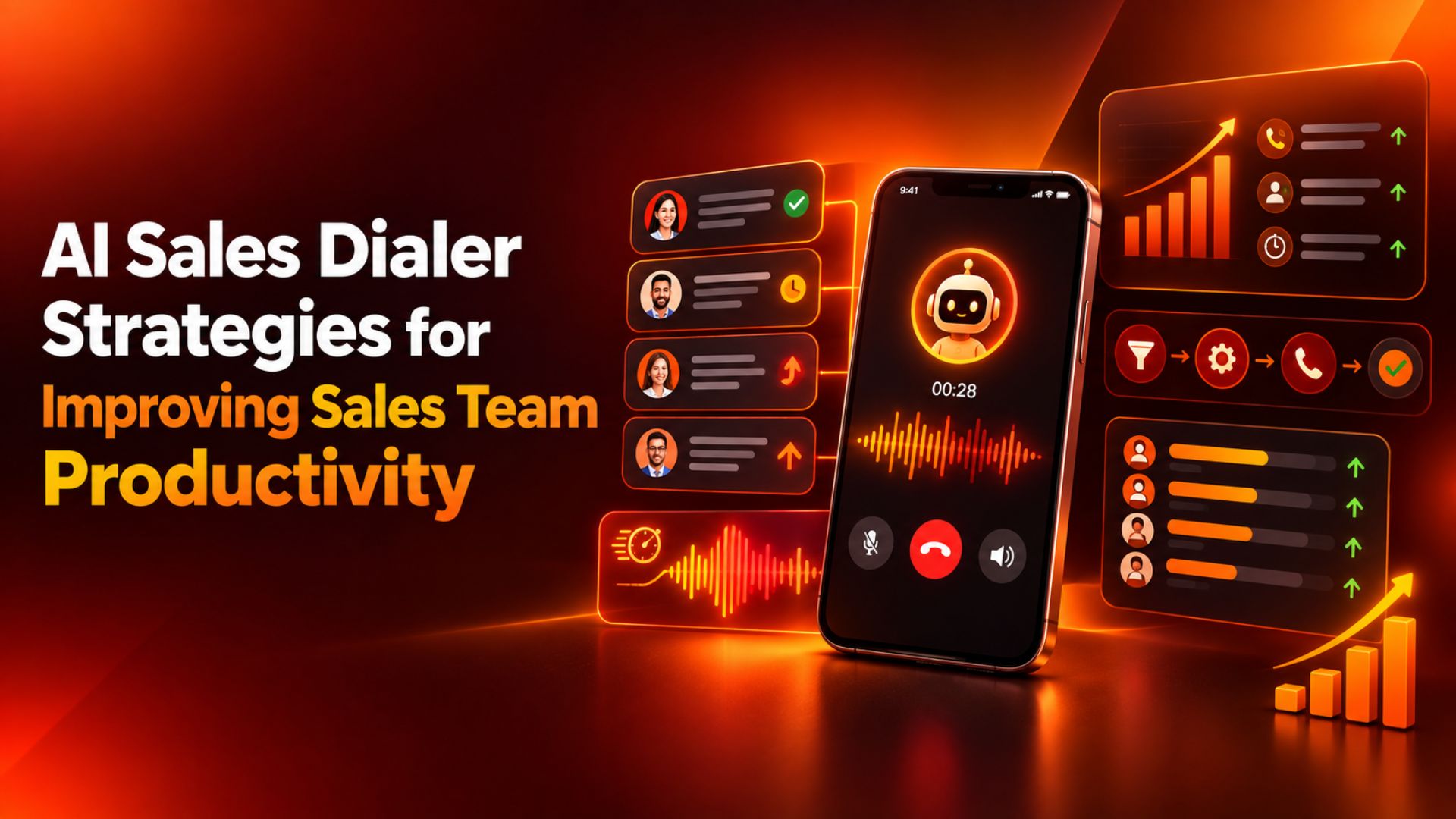
What if sales representatives could spend less time dialing numbers, updating call records, and searching for leads and more time having meaningful conversations? An ***[AI Sales Dialer](https://callified.ai/blog/ai-sales-dialer-failing/)*** can help make that shift by automating repetitive calling tasks while giving sales teams useful information during outreach.
In simple terms, it combines automated dialing, lead prioritization, call workflows, analytics, and customer information to help representatives manage more conversations efficiently. Instead of treating every prospect the same, modern systems can help teams focus their time on contacts that are more relevant to their current sales objectives.
The real productivity gains, however, come from how the technology is used. A poorly designed calling workflow can still waste time, even with automation. The following strategies can help sales teams build a more productive and consistent outbound process.
**What Makes Automated Calling Useful for Sales Productivity?**
Sales productivity is not simply about making more calls. It is about creating more productive activity within the same working hours.
A well-planned calling system can help teams:
* Reduce manual dialing and repetitive administrative work
* Organize prospects according to priority
* Maintain consistent follow-up schedules
* Capture call information more efficiently
* Monitor team performance through measurable data
* Reduce delays between lead generation and outreach
* Give representatives more time for actual conversations
This creates a more organized workflow where salespeople can focus on qualification, relationship building, objection handling, and closing opportunities rather than repetitive operational tasks.
**1. Prioritize Leads Before Starting the Calling Session**
One of the simplest ways to improve productivity is to avoid treating every lead equally.
Sales teams can organize prospects using factors such as:
* Previous engagement
* Lead source
* Purchase intent
* Industry or company size
* Previous conversations
* Follow-up urgency
* Customer lifecycle stage
Prioritization allows representatives to start their calling sessions with prospects that have a clear reason for being contacted. This can reduce wasted activity and create a more structured daily routine.
Lead prioritization can also be combined with customer data so representatives understand who they are contacting and why the conversation matters before the call begins.
**2. Build Repeatable Calling Workflows**
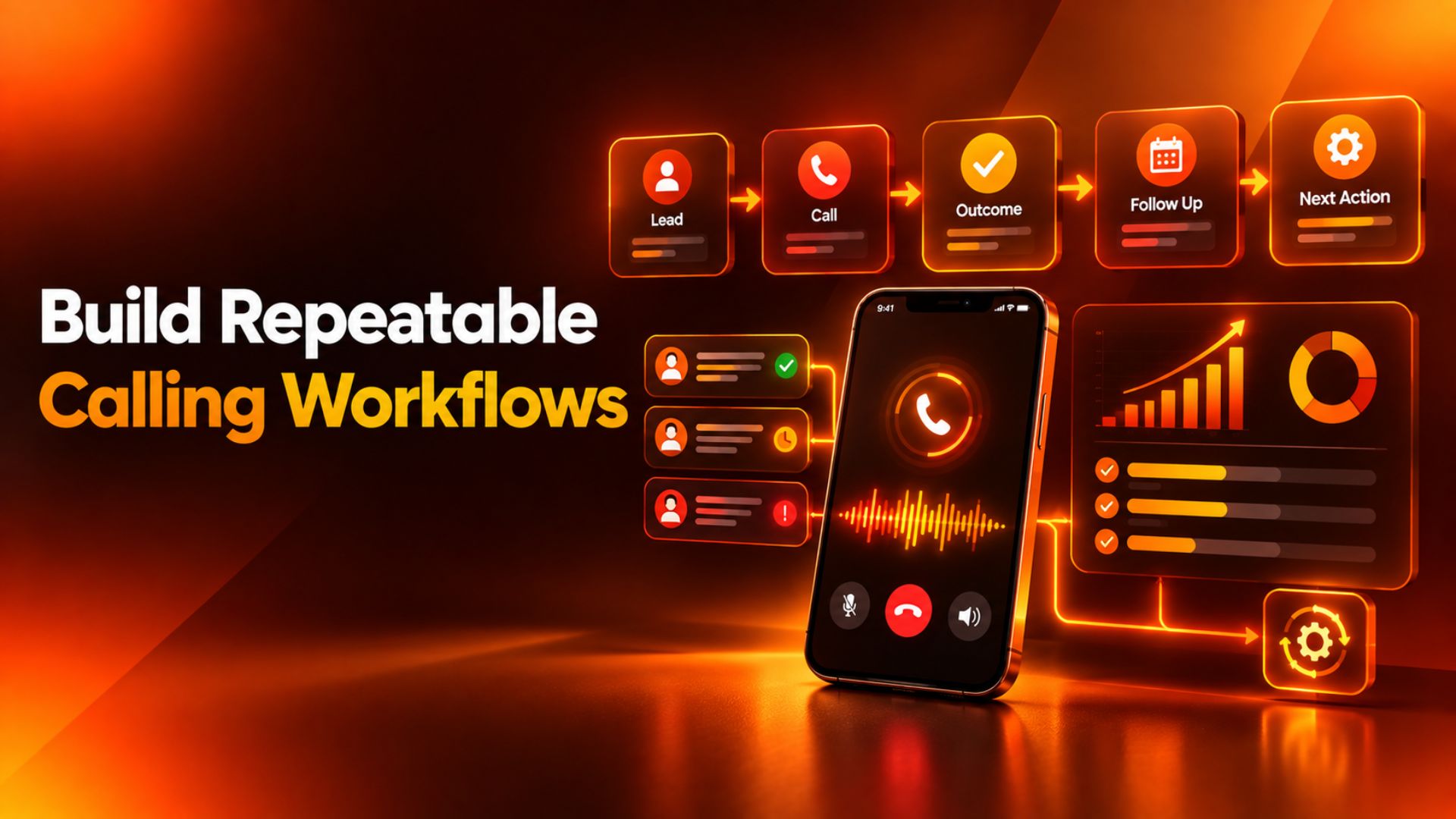
Productivity often suffers when every salesperson follows a different process. A standardized workflow gives representatives a consistent framework while still allowing them to personalize conversations.
A useful workflow may include:
* Review the prospect's information.
* Identify the purpose of the call.
* Make the call.
* Record the outcome.
* Schedule the next action.
* Move the prospect to the appropriate stage.
These steps create a predictable process from first contact to follow-up. Teams can then identify where prospects commonly drop off and improve those stages over time.
**3. Connect Calling With Sales AI Tools**
Calling becomes significantly more useful when it works alongside the broader sales technology stack. Instead of keeping call information separate, teams can connect calling activity with customer records, lead management, analytics, and other ***[sales AI tools](https://callified.ai/blog/revenue-with-sales-ai-tools/)*** that support daily outreach.
For example, a representative could see previous interactions before making a follow-up call. After the conversation, the outcome can be recorded and used to determine the next action.
This reduces context switching and prevents salespeople from repeatedly searching through different systems for information. It also helps managers gain a clearer view of activity across the sales pipeline.
**4. Use Call Data to Identify Productivity Gaps**
Sales managers should look beyond the number of calls made. High activity does not automatically mean high productivity.
Useful performance indicators can include:
* Connection rate
* Conversation duration
* Qualified opportunities
* Follow-up completion
* Conversion rate
* Calls required per qualified lead
* Response patterns by lead source
These metrics can reveal whether a team is struggling with lead quality, contact timing, messaging, or follow-up consistency.
For example, a high number of calls combined with a low connection rate may indicate a targeting or timing issue rather than a representative productivity problem.
**5. Improve Follow-Up Consistency**
Many potential opportunities are lost because follow-ups happen too late or are forgotten altogether.
A structured calling workflow can help salespeople maintain timely contact without depending entirely on memory. Prospects can be assigned follow-up actions based on call outcomes, allowing representatives to keep opportunities moving.
A practical follow-up structure might include:
* Immediate follow-up for highly interested prospects
* Scheduled outreach for prospects requesting more information
* Longer-term nurturing for prospects who are not ready
* Re-engagement campaigns for previously inactive leads
The objective is not to contact people unnecessarily. It is to ensure legitimate sales opportunities receive the appropriate next step at the appropriate time.
**6. Give Representatives Better Conversation Context**
Automation should support salespeople rather than make conversations feel robotic.
Before a call, representatives should have access to relevant information such as previous interactions, customer needs, company details, and the reason for the outreach. This allows them to open conversations with greater context.
Callified AI, for example, focuses on AI-powered calling workflows that can help businesses organize and automate parts of their outbound sales process.
The better the available context, the easier it becomes for representatives to personalize their conversations while maintaining a consistent sales process.
**7. Automate Administrative Tasks Around Calls**
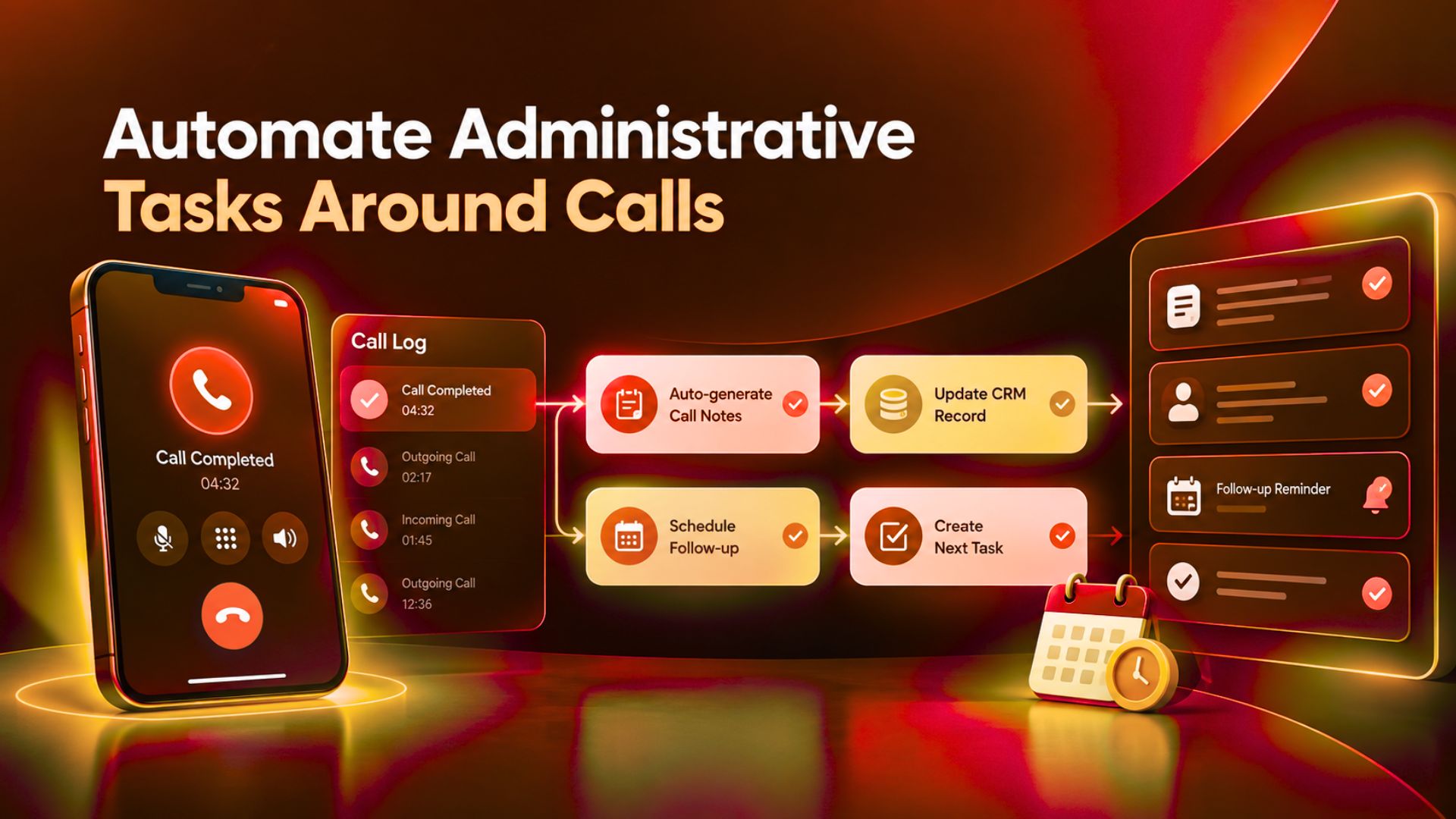
Sales representatives often lose valuable time on tasks that happen before and after conversations.
Examples include:
* Manual call logging
* Updating lead stages
* Setting reminders
* Recording outcomes
* Organizing contact lists
* Repeating basic follow-up actions
***[Sales automation](https://6a460ca630e75.site123.me/blog/sales-automation-common-challenges-and-how-to-overcome-them)*** can reduce some of this repetitive workload by connecting calling activity with predefined workflows.
The result is not simply more automation. It is less administrative friction between one sales conversation and the next.
**8. Test and Improve Calling Strategies Continuously**
No calling strategy should remain unchanged indefinitely. Sales teams should regularly examine performance data and experiment with different approaches.
Teams can test:
* Calling times
* Lead segments
* Opening approaches
* Follow-up intervals
* Campaign structures
* Conversation objectives
Small changes can reveal which processes generate stronger engagement. Managers can then use those findings to refine workflows and improve team consistency.
The important point is to measure changes instead of relying on assumptions. Productivity improvements should be connected to observable results such as better connection rates, more qualified conversations, or shorter administrative time.
Also watch this video - [***Meet Callified AI | Your AI Sales Team That Never Sleeps***](https://youtu.be/cQ8QsephGKI?si=zPMCc1XGaWJJboY2)
**Conclusion**
Improving sales productivity is not simply about increasing the number of calls made each day. It requires better prioritization, consistent workflows, useful customer context, reliable follow-ups, and meaningful performance measurement.
An ***[AI Sales Dialer](https://callified.ai/blog/ai-sales-dialer-failing/)*** can support these goals when it is integrated into a well-designed sales process. The strongest results come when automation handles repetitive work while sales representatives remain focused on conversations that require human understanding, persuasion, and relationship building.
**FAQs**
Q1. How can automated dialing improve sales productivity?
It can reduce repetitive dialing and administrative work, allowing representatives to spend more time on conversations, qualification, follow-ups, and relationship building.
Q2. Does automation replace sales representatives?
No. The primary purpose is to support representatives by handling repetitive processes and providing useful information. Human judgment remains important for complex conversations and relationship-driven selling.
Q3. What metrics should sales managers track?
Connection rate, qualified opportunities, conversion rate, follow-up completion, and calls required per qualified opportunity can provide useful productivity insights.
Q4. Is automation useful for small sales teams?
Yes. Smaller teams can use structured workflows to reduce manual work, maintain consistent follow-ups, and organize outreach without requiring a large operations team.