**How Can Brands Work With YouTube Influencers to Build Successful Campaigns?**
What makes a video collaboration successful for a brand? Reaching thousands of viewers is useful, but meaningful engagement, audience trust, and relevant content matter just as much. Businesses need to understand their target customers before choosing creators for promotional partnerships. Working with ***[YouTube influencers](https://creatorsville.com/how-to-find-influencers/)*** allows brands to present products, explain services, share demonstrations, and communicate with audiences through engaging video content. However, successful campaigns require more than selecting channels with large subscriber counts. Clear objectives, appropriate budgets, careful creator evaluation, and consistent communication help businesses develop partnerships that support their marketing goals.
**Why Do Brands Collaborate With YouTube Creators?**
YouTube provides opportunities for businesses to communicate through long-form videos, product demonstrations, tutorials, reviews, and short-form content. Unlike traditional advertisements, creator-led videos can place products within familiar content formats that audiences already enjoy.
For example, a fitness brand might collaborate with a fitness creator to demonstrate how its equipment works during a regular workout. Similarly, a technology company could partner with a reviewer who explains product features, advantages, and limitations.
These collaborations can support brand awareness, product education, website traffic, and customer consideration. Their effectiveness depends on the creator's credibility, audience relevance, and the quality of the campaign rather than popularity alone.
**How Can Brands Find the Right Creators?**
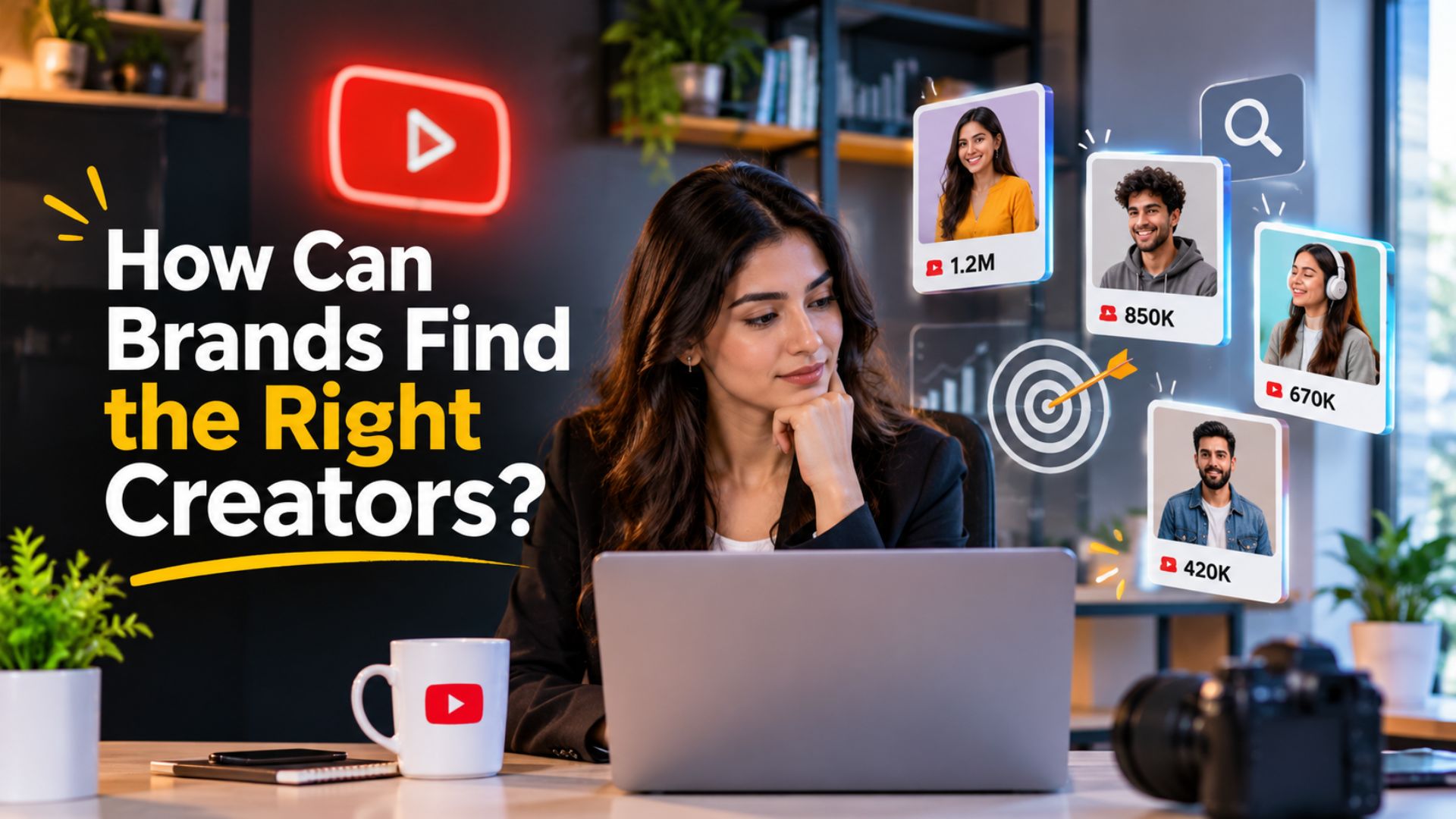
Finding suitable partners requires a structured evaluation process. Businesses should consider several factors before approaching a channel.
Audience relevance: Brands should examine whether a creator's viewers match their intended customer group. Age ranges, interests, locations, and purchasing preferences can help determine audience suitability.
Content quality: Review recent videos to understand presentation style, production standards, communication skills, and consistency. A creator who explains topics clearly may be more suitable for an educational campaign than someone whose content focuses mainly on entertainment.
Engagement quality: Subscriber counts provide only a limited picture of channel performance. As part of ***[Influencer Campaign Management](https://creatorsville.com/influencer-campaign-management-creators-ville-vs-grin/)***, brands should examine views, comments, audience discussions, and engagement patterns across several recent uploads to evaluate creator performance.
Authenticity: Creators who provide balanced opinions and communicate naturally can make product recommendations more credible. Businesses should also check previous sponsorships and whether promotional content fits the creator's usual style.
Professional reliability: Clear communication, realistic commitments, timely responses, and an understanding of campaign requirements are important indicators of a dependable collaboration partner.
**What Is the Cost of Working With YouTube Creators?**
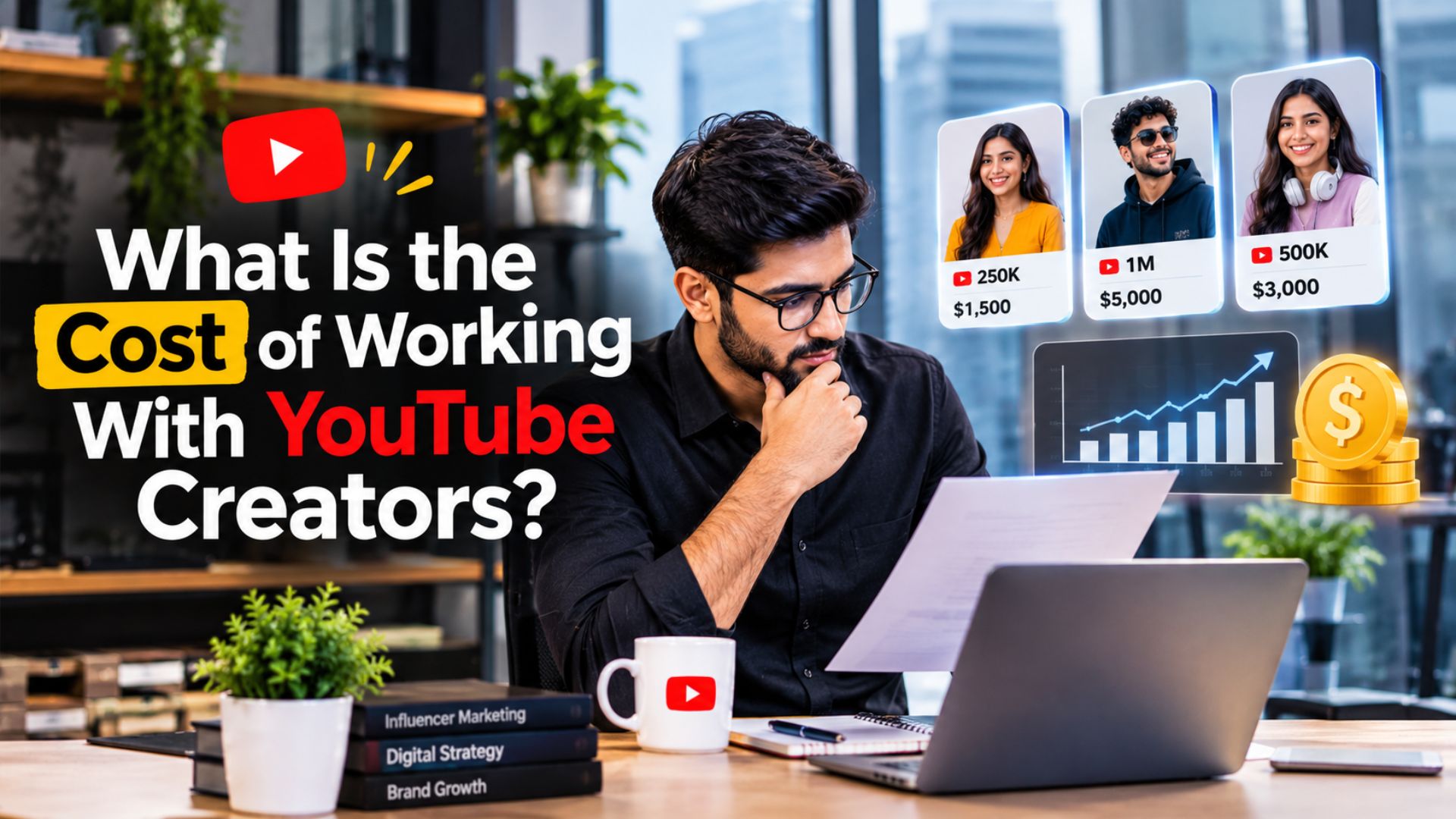
Collaboration costs vary depending on channel size, average views, content format, production requirements, campaign duration, and usage rights. A dedicated product review may require a different investment from a short sponsored mention within an existing video.
Smaller creators may offer more accessible rates and closer connections with specialized audiences. Larger channels can provide broader exposure but often require higher budgets. Neither option automatically guarantees better results.
Brands should request detailed proposals and understand what each fee includes. Video production, revisions, additional promotional posts, exclusivity, and paid advertising rights may involve separate charges.
Instead of choosing the cheapest proposal, businesses should compare the expected audience value, content quality, deliverables, and campaign objectives. A reasonable investment should support measurable marketing outcomes.
**How Can Brands Improve Campaign Performance?**
Successful partnerships need proper planning before content goes live. Businesses should communicate campaign expectations while allowing creators enough flexibility to maintain their natural presentation style.
A clear brief should explain the product, target audience, key messages, deliverables, deadlines, and disclosure requirements. Brands should avoid controlling every sentence because overly scripted promotions can feel unnatural.
Performance measurement is equally important. Marketers can track video views, audience retention, engagement, referral traffic, conversions, and campaign-specific links. Comparing these results with the original objectives helps identify what worked and where improvements are necessary.
For example, a beauty company may discover that tutorial-based videos generate more website visits than short promotional mentions. This information can guide future creator partnerships and content decisions.
You can also watch: ***[Say hello to Creators Ville](https://youtube.com/shorts/MPaaQ-GlR8g?si=x1QC-lMDmVyY3Htk)***
**Conclusion**
Building effective creator partnerships requires thoughtful planning, realistic expectations, and continuous evaluation. ***[YouTube influencers](https://creatorsville.com/how-to-find-influencers/)*** can help businesses communicate product value, reach relevant audiences, and develop stronger customer connections when selected carefully. Brands should look beyond subscriber numbers and prioritize audience alignment, content quality, authenticity, and measurable performance. A well-organized campaign also depends on transparent communication and fair collaboration terms. Start evaluating potential creators based on your marketing objectives, compare their suitability, and build partnerships that support sustainable brand growth.
**FAQs**
**What are YouTube creators, and how do collaborations work?**
Creators make videos on specific topics. Brands partner with them through sponsored videos, reviews, tutorials, and product demonstrations.
**How much does a YouTube collaboration cost?**
Costs depend on audience size, views, content requirements, and usage rights. Brands should compare creator proposals before setting budgets.
**Are smaller creators better than larger creators?**
Smaller creators may offer niche audiences, while larger creators provide broader reach. The right choice depends on campaign goals and budget.