What Is Meta Business Manager and How Does It Work?
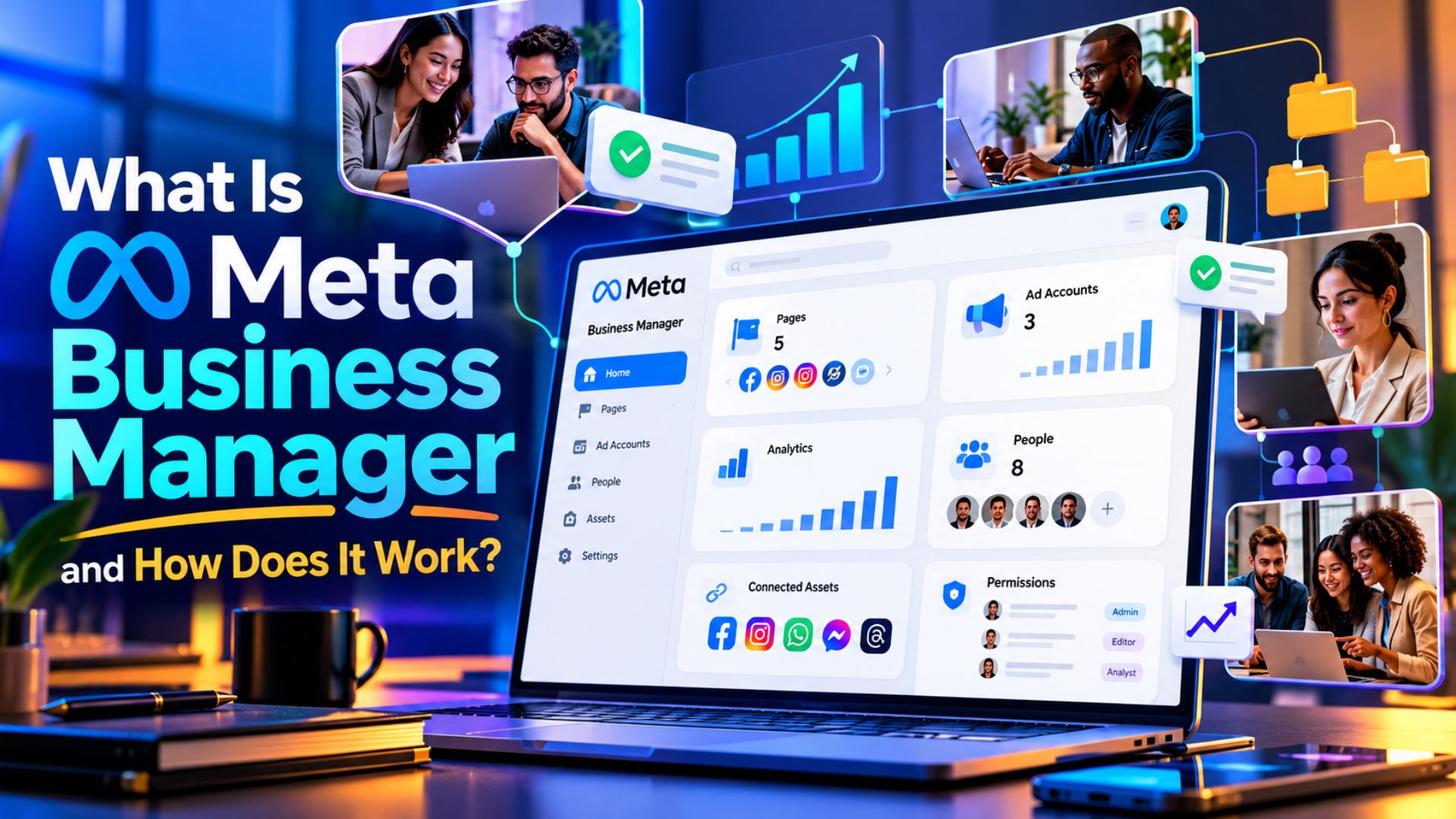
Are you struggling to manage multiple Facebook Pages, advertising accounts, and team members without losing control over your business assets? Managing everything separately can become confusing, especially when your business grows or multiple employees need access.
This is where ***[facebook business manager](https://blog.socioboard.com/facebook-business-manager-account-guide/)*** becomes useful. It is Meta's centralized business management system that helps organizations organize Facebook Pages, Instagram accounts, advertising assets, and user permissions in one place.
**Quick Answer:** Meta Business Manager helps businesses securely manage digital assets, assign employee access, coordinate advertising activities, and maintain ownership of business accounts without sharing personal login credentials.
In 2026, many of these administrative functions are organized through Meta Business Suite and business portfolios.
Let's explore how the system works, its important features, and how businesses can use it effectively.
**What Is Meta Business Manager?**
Meta Business Manager is a system designed to help businesses organize and control their Facebook and Instagram assets.
It allows organizations to manage advertising accounts, Pages, connected Instagram profiles, and employee permissions through centralized business settings.
Unlike a personal Facebook profile, this system focuses on business administration and access management.
For example, a digital marketing agency handling several client accounts can assign employees appropriate permissions without requiring clients to share their personal passwords.
Meta increasingly uses the term business portfolio for the structure that groups business assets and people.
**How Does Meta Business Manager Work?**
The system connects business assets under a central administrative structure.
Once a business portfolio is created, authorized administrators can add supported assets, invite employees, and assign access according to their responsibilities.
Its main functions include:
* **Asset management**: Organize Pages, Instagram accounts, and advertising accounts.
* **Permission control**: Determine which employees can access specific assets.
* **Advertising management**: Coordinate access to campaigns and related resources.
* **Partner access**: Share selected assets with agencies or external collaborators.
* **Business security**: Maintain controlled access without sharing passwords.
This structure helps organizations maintain accountability while keeping business operations organized.
**How to Set Up Meta Business Manager in 2026?**
Creating a business portfolio involves a few important steps.
**Step 1: Access Meta Business Suite**
Visit ***[business.facebook.com](https://business.facebook.com/)*** and sign in using your Facebook account.
Open the business settings area and look for the option to create a business portfolio.
**Step 2: Enter Your Business Information**
Provide your business name, contact information, and other required details.
Use accurate information that reflects your organization.
**Step 3: Add Your Business Assets**
Connect an existing Facebook Page or create a new one.
You can also add eligible Instagram accounts and advertising accounts.
**Step 4: Invite Team Members**
Add employees or collaborators using the available invitation controls.
Assign permissions based on their actual responsibilities.
**Step 5: Review Security Settings**
Enable two-factor authentication where available and review who has access to each asset.
The exact menu labels may vary depending on account permissions and interface updates.
**What Are the Key Benefits of Using Meta's Business Management Tools?**
**1. Centralized Account Management**
Businesses can manage connected digital assets from one administrative environment.
This reduces the complexity of handling several separate accounts.
**2. Improved Team Collaboration**
Employees can receive access to the specific resources required for their work.
Businesses developing the ***[best social media management tools](https://blog.socioboard.com/best-social-media-management-tools/)*** comparison can also evaluate how different platforms support publishing, reporting, and team coordination.
****3. Better Advertising Organization****
Businesses can assign advertising responsibilities and manage access to campaign-related assets.
This is particularly useful when internal marketers and external agencies work together.
**4. Stronger Access Control**
Administrators can review permissions and remove access when employees change roles or leave.
This reduces unnecessary account exposure and supports more secure operations.
**What Is the Difference Between Meta Business Manager and Meta Business Suite?**
Although these terms are often used interchangeably, they refer to different functions.
**Meta Business Manager** traditionally refers to the administrative system used to organize business assets and control access.
**Meta Business Suite** provides a broader workspace for managing Facebook and Instagram activities, including publishing, messaging, and performance insights.
A business portfolio connects the assets and people that your organization manages.
In simple terms, business settings control who can access your resources, while the Suite supports many everyday marketing activities.
**How Can Businesses Improve Their Social Media Management?**

Managing business assets is only one part of maintaining an effective social media presence.
Businesses also need organized publishing schedules, performance reporting, and consistent communication across platforms.
For example, ***[SocioBoard](https://socioboard.com/)*** provides social media scheduling, multiple-account management, analytical reporting, and team coordination features.
These capabilities can complement Meta's administrative tools by helping marketing teams manage wider content workflows across supported social networks.
The two systems serve different purposes and should not be treated as interchangeable.
**What Common Mistakes Should Businesses Avoid?**
Poor account administration can create security and operational problems.
Common mistakes include:
* Giving employees more permissions than necessary.
* Sharing personal Facebook passwords.
* Failing to remove access for former employees.
* Connecting assets without confirming ownership.
* Ignoring security alerts and account verification requests.
Review account permissions regularly and maintain clear records of who manages each business asset.
**You can also watch this video - Socioboard:** [World's #1 Social Media Management Platform | Social media managment simplified](https://youtu.be/1vbG7kTibsU?si=nxHIYE46_hD2AmVj)
**Conclusion**
Meta's business management system helps organizations maintain control over their social media assets, advertising resources, and employee permissions.
Centralized administration supports better security, accountability, and coordination between internal teams and external partners.
Businesses searching for ***[business manager facebook](https://blog.socioboard.com/facebook-business-manager-account-guide/)*** solutions should understand the relationship between business portfolios, business settings, and Meta Business Suite before configuring their accounts.
By combining secure access management with organized publishing and regular performance monitoring, businesses can create more efficient social media operations.
**Frequently Asked Questions (FAQs)**
**1. Is Meta Business Manager Free?**
Yes. Meta's business administration tools are generally free to use. Advertising campaigns and certain external services may involve additional costs.
**2. Do I Need a Personal Facebook Account to Use It?**
Yes. An individual Facebook account is generally required to access and administer business assets, although your personal profile remains separate from your business Page.
**3. Can I Manage Multiple Facebook Pages?**
Yes. Businesses can manage multiple eligible Pages within their business administration structure, subject to permissions and platform limits.
**4. What Is the Difference Between Business Manager and Ads Manager?**
Business Manager handles assets, people, and permissions. Ads Manager focuses on creating, managing, and analyzing advertising campaigns.
**5. Can I Give an Agency Access Without Sharing My Password?**
Yes. Businesses can grant appropriate asset access to eligible partner organizations without sharing personal login credentials.